
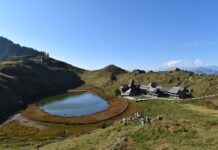







Nestled in the western Himalayas, Himachal Pradesh is renowned not only for its snow-capped mountains and lush valleys but also for the breathtaking lakes of Himachal Pradesh, which include a remarkable mix of natural and man-made water bodies. These lakes, scattered across varying altitudes, range from serene lowland lakes and expansive reservoirs to sacred alpine lakes perched high in the mountains. Each lake reflects a unique blend of geography, mythology, and local culture, making them important both ecologically and spiritually.
What makes the lakes of Himachal Pradesh truly special is their diversity and accessibility. While some lakes can be reached by a short drive from major towns, others demand adventurous treks through rugged terrain and high-altitude passes. Seasonal changes dramatically transform these landscapes—lush and reflective in summer, misty during monsoon, and frozen into breathtaking spectacles in winter. Understanding when to visit and how to reach each lake is therefore crucial for a safe and rewarding experience.
This guide presents a lake-wise, travel-focused exploration of Himachal Pradesh. Each lake is covered with clear “How to Reach” details (nearest bus stand, railway station, and airport) and the best time to visit, along with practical insights to help travelers plan efficiently. Whether you are a casual tourist, a nature lover, a pilgrim, or a trekking enthusiast, this curated list will help you discover the lakes of Himachal Pradesh in a well-informed and responsible way.
Types of Lakes in Himachal Pradesh
The lakes of Himachal Pradesh can be broadly classified based on their origin, altitude, and accessibility, which plays a crucial role in travel planning. Understanding these categories helps travelers choose lakes that match their interests, fitness levels, and time constraints.
Man-Made Reservoirs
These lakes are created by damming major rivers and primarily serve purposes such as hydroelectric power generation, irrigation, and flood control. Over time, many reservoirs like Gobind Sagar and Maharana Pratap Sagar have also evolved into important tourism and bird-watching destinations. They are usually well-connected by road and suitable for family travel.
Low-Altitude Natural Lakes
Located at lower elevations, these lakes are easily accessible throughout the year and often carry religious, mythological, or ecological significance. Surrounded by forests and gentle hills, low-altitude lakes such as Renuka Lake are ideal for relaxed sightseeing and cultural exploration.
Mid-Altitude Lakes
Mid-altitude lakes strike a balance between accessibility and scenic beauty. Often set amid lush meadows and temperate forests, these lakes are popular among photographers and leisure travelers. Lakes like Khajjiar and Dal Lake are excellent examples, offering both natural charm and cultural relevance.
High-Altitude Alpine Lakes
High-altitude lakes are usually glacial in origin and located above 3,000 meters. These lakes are accessible only during limited months of the year and often require trekking. Apart from their breathtaking beauty, many of these lakes—such as Manimahesh and Prashar—hold deep spiritual significance. Travel to these regions demands proper planning, acclimatization, and awareness of weather conditions.
By categorizing lakes in this way, travelers can better understand what to expect, when to go, and how prepared they need to be before visiting different lake regions in Himachal Pradesh.
Reservoirs of Himachal Pradesh
Reservoirs in Himachal Pradesh are large man-made lakes formed by damming major rivers. While their primary purpose is hydroelectric power generation, irrigation, and water management, many of these reservoirs have also become important tourist attractions, known for scenic beauty, birdlife, and recreational activities. Due to their lower altitude and excellent road connectivity, reservoirs are among the most accessible lakes in Himachal Pradesh.
Maharana Pratap Sagar (Pong Dam Lake)
Maharana Pratap Sagar, popularly known as Pong Dam Lake, is one of the most significant reservoirs in Himachal Pradesh. Created on the Beas River, this vast water body lies in the Kangra district and is internationally recognized for its ecological importance. The reservoir forms the core of the Pong Dam Lake Wildlife Sanctuary, which attracts thousands of migratory birds every winter, making it a paradise for birdwatchers and nature enthusiasts.
Apart from its environmental value, the lake plays a crucial role in irrigation and power generation for northern India. Its calm waters, surrounded by the Dhauladhar foothills, create a striking landscape that appeals to photographers and casual travelers alike.
How to Reach Maharana Pratap Sagar (Pong Dam Lake):
- Nearest bus stand: Dehra & Talwara (Punjab)
- Nearest railway station: Pathankot Junction (approx. 110 km)
- Nearest airport: Kangra Airport, Gaggal (approx. 60 km)
Regular buses and taxis are available from Kangra, Dharamshala, and nearby towns to reach the Pong Dam area.
Best Time to Visit Maharana Pratap Sagar (Pong Dam Lake):
The best time to visit Maharana Pratap Sagar is from October to March, when migratory birds arrive and the weather remains pleasant. Summers are also suitable for sightseeing, but winters offer the most rewarding experience.
Travel Tips:
- Carry binoculars if you’re interested in birdwatching
- Early morning and late afternoon are ideal for wildlife sightings
- Avoid disturbing birds and follow sanctuary guidelines
Pandoh Dam (Pandoh Lake)
Pandoh Lake is a picturesque reservoir formed by the Pandoh Dam on the Beas River in the Mandi district of Himachal Pradesh. Though smaller in size compared to Gobind Sagar or Pong Dam, Pandoh Lake is admired for its emerald-green waters, dramatic mountain backdrop, and tranquil surroundings. The reservoir is an important component of the Beas Project and plays a key role in diverting water through tunnels to power stations in the region.
Set along the Chandigarh–Manali highway, Pandoh Lake often surprises travelers with its sudden appearance amid steep hills, making it a popular stop for photography and short breaks. While it is not developed for water sports, its scenic charm and roadside accessibility make it a worthwhile visit.
How to Reach Pandoh Dam (Pandoh Lake):
- Nearest bus stand: Pandoh or Mandi Bus Stand
- Nearest railway station: Joginder Nagar Railway Station (approx. 55 km)
- Nearest airport: Bhuntar Airport, Kullu (approx. 60 km)
The lake is easily accessible by road and lies directly on the NH-3, with frequent buses and taxis available from Mandi and Kullu.
Best Time to Visit Pandoh Dam (Pandoh Lake):
The best time to visit Pandoh Lake is from March to June and September to November, when the weather is pleasant and the surrounding hills are lush and green. During the monsoon season, water levels rise, enhancing the lake’s beauty, but travel may be affected by landslides.
Travel Tips:
- Ideal for short stops rather than long stays
- Exercise caution near the water, as currents can be strong
- Avoid visiting during heavy rainfall due to road safety concerns
Gobind Sagar Lake
Gobind Sagar is the largest reservoir in Himachal Pradesh, formed by the iconic Bhakra Dam on the Sutlej River. Stretching across a vast area in the Bilaspur district, this massive water body is not only an engineering marvel but also a major contributor to irrigation, drinking water supply, and hydroelectric power in northern India. Named after Guru Gobind Singh, the tenth Sikh Guru, the reservoir holds both national importance and cultural value.
Over the years, Gobind Sagar has emerged as a prominent tourism destination, offering scenic views of surrounding hills and opportunities for water-based recreational activities. The contrast between the deep blue waters and the rugged terrain makes it one of the most visually striking lakes in the state.
How to Reach Gobind Sagar Lake:
- Nearest bus stand: Bilaspur Bus Stand (approx. 10 km)
- Nearest railway station: Kiratpur Sahib Railway Station (approx. 90 km)
- Nearest airport: Chandigarh International Airport (approx. 135 km)
Bilaspur town is well connected by road to major cities like Chandigarh, Shimla, and Mandi, with frequent bus and taxi services.
Best Time to Visit Gobind Sagar Lake:
The best time to visit Gobind Sagar is from October to March, when the weather is pleasant and ideal for sightseeing and outdoor activities. Summers can be warm, while monsoon months may bring fluctuating water levels and restricted activities.
Travel Tips:
- Check local permissions before engaging in water sports
- Visit viewpoints around Bilaspur for panoramic lake views
- Avoid swimming, as water depth and currents can be dangerous
Chamera Dam (Chamera Lake)
Chamera Dam is a prominent reservoir formed on the Ravi River in the scenic Chamba district of Himachal Pradesh. Built as part of the Chamera Hydroelectric Project, the dam plays a vital role in power generation for the region. Over time, the expansive water body created by the dam—often referred to as Chamera Lake—has become a notable attraction due to its serene surroundings and dramatic mountain backdrop.
Surrounded by forested hills and winding roads, Chamera Dam offers peaceful vistas that appeal to travelers seeking quieter destinations away from crowded tourist hubs. The reservoir is particularly enchanting during early mornings and evenings when reflections of the surrounding landscape shimmer across the calm waters.
How to Reach Chamera Dam (Chamera Lake):
- Nearest bus stand: Dalhousie or Chamba Bus Stand
- Nearest railway station: Pathankot Railway Station (approx. 120 km)
- Nearest airport: Pathankot Airport (approx. 120 km)
Regular buses and taxis operate from Dalhousie and Chamba, making the dam easily accessible by road.
Best Time to Visit Chamera Dam (Chamera Lake):
The best time to visit Chamera Dam is from March to June and September to November, when the weather is pleasant and visibility is clear. Monsoon months enhance the lake’s beauty but may cause travel disruptions due to landslides.
Travel Tips:
- Ideal for photography and scenic drives
- Avoid venturing close to restricted dam areas
- Combine your visit with nearby attractions in Dalhousie and Chamba
Low-Altitude Lakes of Himachal Pradesh
Low-altitude lakes in Himachal Pradesh are among the most accessible and culturally significant water bodies in the region. Located at relatively lower elevations, these lakes can be visited almost throughout the year and are ideal for family trips, religious tourism, and relaxed sightseeing. Many of them are deeply connected with local legends, temples, and wildlife, offering a blend of natural beauty and heritage.
Renuka Lake
Renuka Lake is the largest natural lake in Himachal Pradesh and one of its most revered pilgrimage sites. Situated in the Sirmour district, the lake is named after Goddess Renuka, the mother of Lord Parashurama. According to legend, the lake marks the spot where Goddess Renuka attained immortality, making it an important destination for Hindu devotees.
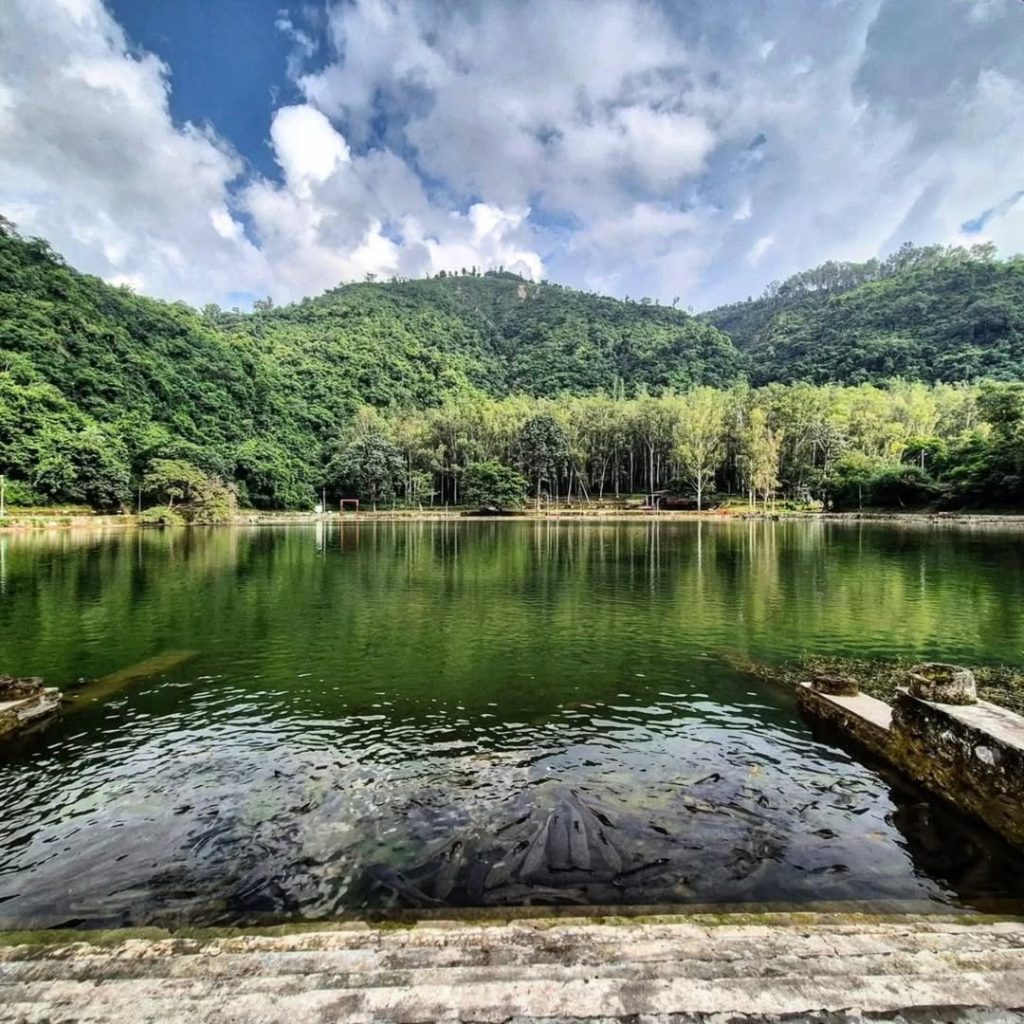
Encircled by dense forests, Renuka Lake is unique in shape, resembling the silhouette of a reclining woman. The lake lies within the Renuka Wildlife Sanctuary, which is home to a variety of flora and fauna, adding ecological importance to its religious and cultural value. The tranquil environment and well-maintained surroundings make it suitable for both spiritual visits and leisure travel.
How to Reach Renuka Lake:
- Nearest bus stand: Renuka Ji Bus Stand
- Nearest railway station: Ambala Cantt Railway Station (approx. 120 km)
- Nearest airport: Chandigarh International Airport (approx. 130 km)
Renuka Lake is well connected by road from Nahan, Solan, and Chandigarh, with regular bus and taxi services available.
Best Time to Visit Renuka Lake:
The best time to visit Renuka Lake is from September to June. The annual Renuka Fair, usually held in November, attracts thousands of pilgrims and tourists. Summers are pleasant, while winters remain cool but accessible.
Travel Tips:
- Respect religious customs around the temple area
- Early mornings are ideal for peaceful walks and photography
- Avoid littering, as the lake is an ecologically sensitive zone
Macchial Lake
Macchial Lake is a serene and lesser-known natural lake located near the village of Machial in the Mandi district of Himachal Pradesh. Nestled amidst forested hills, the lake is closely associated with the Machial Mata Temple, making it an important local pilgrimage site as well as a peaceful retreat for travelers seeking quiet and uncrowded destinations.
View this post on Instagram
Unlike larger tourist lakes, Macchial Lake retains a raw and untouched charm, surrounded by natural vegetation and rural landscapes. The calm atmosphere, combined with its religious significance, makes it ideal for short visits, meditation, and nature walks. The lake is especially appealing to travelers who prefer offbeat places away from commercial tourism.
How to Reach Macchial Lake:
- Nearest bus stand: Joginder Nagar & Baijnath bus stand
- Nearest railway station: Joginder Nagar Railway Station
- Nearest airport: Kangra Airport, Gaggal (approx. 50 km)
Best Time to Visit Macchial Lake:
The best time to visit Macchial Lake is from March to June and September to November, when the weather is pleasant and the surrounding greenery is at its best. Monsoon months enhance the landscape but may make roads slippery.
Travel Tips:
- Ideal for travelers interested in quiet, spiritual locations
- Carry basic supplies, as amenities nearby are limited
- Respect local customs around the temple premises
Mid-Altitude Lakes of Himachal Pradesh
Mid-altitude lakes in Himachal Pradesh are known for their lush surroundings, pleasant climate, and easy accessibility compared to high-altitude alpine lakes. These lakes are often set amid green meadows, deodar forests, and gentle hills, making them popular among leisure travelers, photographers, and families. Many mid-altitude lakes also hold cultural and religious importance and are located close to well-known hill stations.
Khajjiar Lake
Khajjiar Lake is one of the most picturesque lakes in Himachal Pradesh, located in the heart of the famous Khajjiar meadow, often referred to as the Mini Switzerland of India. Surrounded by dense deodar forests and rolling green pastures, the small lake forms the visual centerpiece of this scenic plateau in the Chamba district.
View this post on Instagram
The lake’s shallow waters reflect the surrounding greenery, creating postcard-perfect views throughout the year. Khajjiar Lake is primarily a sightseeing destination rather than a trekking spot, making it ideal for travelers who want to enjoy natural beauty without strenuous activity.
How to Reach Khajjiar Lake:
- Nearest bus stand: Dalhousie Bus Stand
- Nearest railway station: Pathankot Railway Station (approx. 120 km)
- Nearest airport: Pathankot Airport (approx. 120 km)
Khajjiar is well connected by road from Dalhousie and Chamba, with taxis and buses easily available.
Best Time to Visit Khajjiar Lake:
The best time to visit Khajjiar Lake is from March to June and September to November. During spring and summer, the meadows are lush green, while autumn offers clear skies and pleasant weather. Winters bring snowfall, transforming the landscape but may restrict access.
Travel Tips:
- Early mornings offer the best light for photography
- Avoid walking into marshy areas around the lake
- Combine your visit with Dalhousie or Chamba sightseeing
Tanni Jubbar Lake
Tanni Jubbar Lake is a man-made oval lake near Narkanda in Himachal Pradesh in the Shimla district of Himachal Pradesh. Nestled amid dense cedar and pine forests, the lake is closely associated with the Nag Devta (serpent deity) and holds religious importance for the local community. A small temple stands beside the lake, making it both a spiritual and scenic destination.
View this post on Instagram
Unlike high-altitude trekking lakes, Tanni Jubbar Lake is easily accessible and ideal for travelers seeking a peaceful, offbeat spot away from crowded hill stations. The calm waters, forested surroundings, and quiet atmosphere make it perfect for short visits, nature walks, and cultural exploration.
How to Reach Tanni Jubbar Lake
- Nearest bus stand: Narkanda Bus Stand (approx. 7 km)
- Nearest railway station: Shimla Railway Station (approx. 60 km)
- Nearest airport: Shimla Airport (approx. 75 km)
From Narkanda, the lake can be reached by a short drive followed by a brief walk through forested paths.
Best Time to Visit Tanni Jubbar Lake
The best time to visit Tanni Jubbar Lake is from March to June and September to November. During these months, the weather is pleasant and the surrounding forests are lush. Winters bring snowfall to the region, adding beauty but occasionally limiting access.
Travel Tips:
- Respect religious practices near the temple
- Ideal for short, quiet visits rather than long stays
- Carry basic essentials, as facilities nearby are limited
- Do not litter and help keep the lake surroundings clean
Dal Lake (Himachal Pradesh)
Dal Lake is a small yet culturally significant lake located near Dharamshala in the Kangra district of Himachal Pradesh. Surrounded by thick deodar forests and set against the backdrop of the Dhauladhar range, Dal Lake holds immense religious importance for the local Gaddi community and Hindu pilgrims.

Unlike its namesake in Kashmir, Dal Lake in Himachal Pradesh is modest in size but rich in spiritual heritage. The lake is closely associated with a temple dedicated to Lord Shiva, and every year an annual fair is held here, attracting devotees from nearby regions. Its peaceful environment and forested surroundings make it a pleasant stop for travelers exploring the Dharamshala–McLeod Ganj region.
How to Reach Dal Lake (Himachal Pradesh):
- Nearest bus stand: Dharamshala Bus Stand (approx. 11 km)
- Nearest railway station: Pathankot Railway Station (approx. 90 km)
- Nearest airport: Kangra Airport, Gaggal (approx. 15 km)
- From Dharamshala, taxis and local buses are easily available to reach Dal Lake.
Best Time to Visit Dal Lake (Himachal Pradesh):
The best time to visit Dal Lake is from March to June and September to November, when the weather is cool and pleasant. The annual fair, usually held in September, is an ideal time to experience local culture. Winters can be cold, while monsoon months bring heavy rainfall.
Travel Tips:
- Respect religious sentiments near the temple area
- Ideal for short visits rather than extended stays
- Combine your visit with Dharamshala and McLeod Ganj sightseeing
Rewalsar Lake
Rewalsar Lake, also known as Tso Pema, is one of the most spiritually significant lakes in Himachal Pradesh. Located in the Mandi district, this sacred lake is revered by Hindus, Buddhists, and Sikhs alike, making it a rare symbol of religious harmony. The lake is associated with Guru Padmasambhava (Guru Rinpoche) in Buddhism, while Hindu traditions link it to Lord Shiva and Sage Lomash.
View this post on Instagram
Encircled by monasteries, temples, and gurudwaras, Rewalsar Lake offers a deeply serene atmosphere. Floating reeds on the lake’s surface are considered sacred, and feeding the fish here is regarded as auspicious. The blend of spiritual energy, scenic beauty, and cultural depth makes Rewalsar a must-visit destination for both pilgrims and mindful travelers.
How to Reach Rewalsar Lake:
- Nearest bus stand: Mandi Bus Stand
- Nearest railway station: Joginder Nagar Railway Station (approx. 30 km)
- Nearest airport: Bhuntar Airport, Kullu (approx. 90 km)
Rewalsar is well connected by road from Mandi, with regular bus services and taxis available.
Best Time to Visit Rewalsar Lake:
The best time to visit Rewalsar Lake is from March to June and September to November, when the weather is pleasant and ideal for sightseeing. Buddhist festivals and religious gatherings add cultural vibrancy during these months. Winters can be cold but manageable.
Travel Tips:
- Maintain silence and respect religious practices around the lake
- Avoid touching or disturbing the floating reeds
- Early mornings and evenings offer the most peaceful experience
High-Altitude Lakes of Himachal Pradesh
High-altitude lakes in Himachal Pradesh are among the most spectacular and spiritually revered natural features of the Himalayas. Located above 2,700 meters, these lakes are mostly glacial in origin and are accessible only for a few months each year. Many of them require trekking, physical fitness, and acclimatization, but the reward is unmatched—pristine landscapes, crystal-clear waters, and profound silence.
Apart from their natural beauty, several high-altitude lakes are deeply connected with local legends, pilgrimages, and ancient traditions, making them important cultural landmarks as well.
Prashar Lake (2,730 m)
Prashar Lake is one of the most accessible and visually striking high-altitude lakes in Himachal Pradesh. Situated in the Mandi district at an altitude of 2,730 meters, the lake is famous for its mysterious floating island, which changes position throughout the year. According to legend, the lake was created by the sage Prashar Rishi, to whom the ancient pagoda-style temple beside the lake is dedicated.
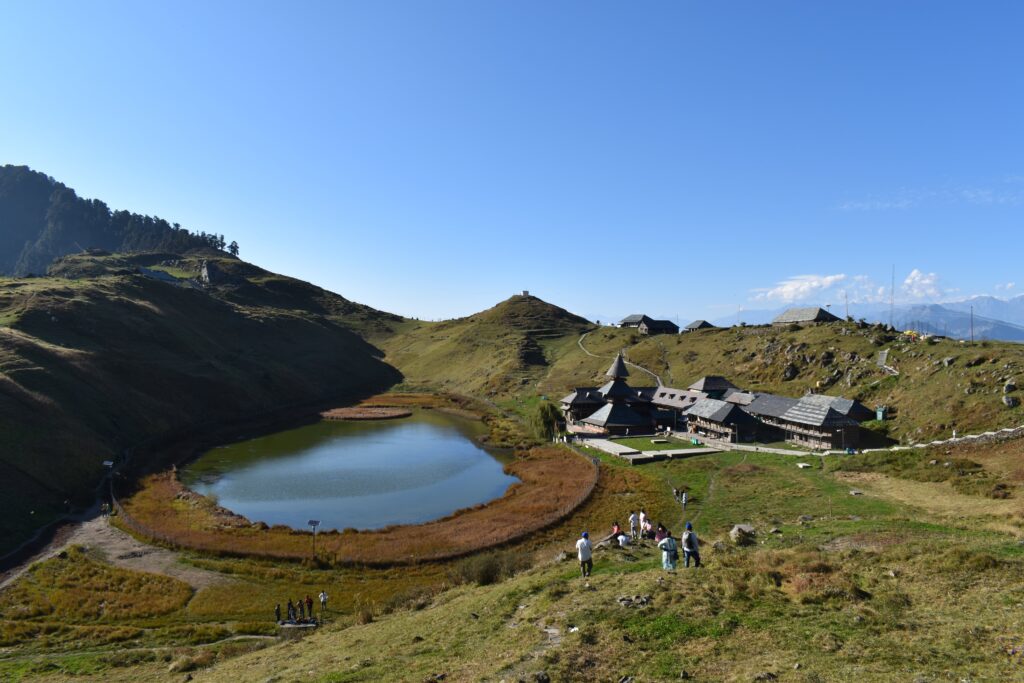
Encircled by snow-covered peaks of the Dhauladhar ranges, Prashar Lake offers breathtaking panoramic views and a tranquil atmosphere. Unlike many alpine lakes, it can be reached both by road and by trek, making it a popular destination for first-time high-altitude travelers.
How to Reach Prashar Lake:
- Nearest bus stand: Mandi Bus Stand (approx. 50 km)
- Nearest railway station: Joginder Nagar Railway Station (approx. 90 km)
- Nearest airport: Bhuntar Airport, Kullu (approx. 95 km)
From Mandi, taxis can take you up to the road head, after which a short trek may be required depending on road conditions, especially in winter.
Best Time to Visit Prashar Lake:
The best time to visit Prashar Lake is from April to June and September to November. During winter, the lake and temple are covered in snow, and access becomes difficult, suitable only for experienced trekkers.
Travel Tips:
- Carry warm clothing even in summer
- Avoid visiting during heavy snowfall unless properly equipped
- Respect the sanctity of the temple and surrounding area
Dehnasar Lake (4,280 m)
Dehnasar Lake is a remote and breathtaking high-altitude alpine lake located in the Kangra district of Himachal Pradesh at an elevation of approximately 4,280 meters. Nestled deep within the Dhauladhar range, Dehnasar Lake is primarily known among trekkers and adventure enthusiasts rather than casual tourists.
The lake is surrounded by vast alpine meadows and rugged mountain terrain, offering a raw and untouched Himalayan experience. Due to its isolation and challenging access, Dehnasar Lake remains pristine and less crowded, making it ideal for those seeking solitude and unspoiled natural beauty.
How to Reach Dehnasar Lake:
- Nearest bus stand: Baijnath & Joginder Nagar Bus stand
- Nearest railway station: Pathankot Railway Station (approx. 95 km)
- Nearest airport: Kangra Airport, Gaggal (approx. 65 km)
From Palampur, travelers must reach the trek base village (often via local transport or taxi), followed by a multi-day trek through alpine terrain to reach Dehnasar Lake.
Best Time to Visit Dehnasar Lake:
The best time to visit Dehnasar Lake is from July to September, when the snow has melted and trekking routes are accessible. Outside this window, the area remains snowbound and unsafe for travel.
Travel Tips:
- Suitable only for experienced trekkers
- Proper acclimatization is essential due to high altitude
- Carry sufficient food, water, and emergency supplies
- Avoid solo trekking; a guide is strongly recommended
Nako Lake (3,662 m)
Nako Lake is a serene high-altitude lake located in the remote village of Nako in the Kinnaur district of Himachal Pradesh, close to the Indo-Tibetan border region. Situated at an elevation of 3,662 meters, the lake is surrounded by traditional mud-brick houses, ancient monasteries, and barren mountain landscapes, giving it a distinctly Himalayan and trans-Himalayan character.
View this post on Instagram
Nako Lake holds both spiritual and cultural importance for the local community. The nearby Nako Monastery adds to the lake’s calm and meditative atmosphere. Unlike many alpine lakes that require long treks, Nako Lake is relatively accessible, making it a perfect stop for travelers exploring Kinnaur and Spiti Valley.
How to Reach Nako Lake:
- Nearest bus stand: Nako Bus Stop (limited local services)
- Nearest railway station: Shimla Railway Station (approx. 210 km)
- Nearest airport: Shimla Airport (approx. 200 km)
Nako is best reached by road from Reckong Peo or Kalpa via NH-5. Shared taxis and buses operate seasonally, though private vehicles are more reliable.
Best Time to Visit Nako Lake:
The best time to visit Nako Lake is from May to October, when roads are open and weather conditions are favorable. During winter, the lake freezes completely, and access becomes extremely difficult due to heavy snowfall.
Travel Tips:
- Walk slowly to avoid altitude sickness
- Dress modestly and respect local customs
- Mornings and evenings offer stunning reflections and fewer crowds
- Carry cash, as ATMs are scarce in the region
ChandraTaal Lake (4,300 m)
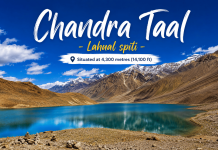
Chandra Tal, also known as the Moon Lake, is one of the most iconic high-altitude lakes in Himachal Pradesh. Located at an elevation of approximately 4,300 meters in the Lahaul & Spiti district, this crescent-shaped glacial lake is renowned for its surreal beauty, crystal-clear blue waters, and stark mountain surroundings.
View this post on Instagram
Chandra Tal lies on the ancient trade route between Spiti and Lahaul and is deeply associated with Hindu mythology. It is believed to be the place where Yudhishthira, the eldest Pandava, ascended to heaven. The lake’s remote setting, combined with its mythological significance, makes it a favorite among trekkers, photographers, and adventure travelers.
How to Reach Chandra Tal:
- Nearest bus stand: Kaza Bus Stand (approx. 90 km)
- Nearest railway station: Joginder Nagar Railway Station (approx. 250 km)
- Nearest airport: Bhuntar Airport, Kullu (approx. 180 km)
From Kaza or Manali, travelers can drive up to a roadhead near Chandra Tal, followed by a short trek of about 1–2 km to reach the lake.
Best Time to Visit Chandra Tal:
The best time to visit Chandra Tal is from June to September, when the snow has melted and access roads via Kunzum Pass are open. Outside this period, the lake remains inaccessible due to heavy snowfall.
Travel Tips:
- Avoid camping right next to the lake to protect the fragile ecosystem
- Acclimatize properly to prevent altitude sickness
- Carry warm clothing even during summer nights
- Check weather and road conditions before planning your visit
Suraj Tal (4,883 m)
Suraj Tal is one of the highest lakes in India and among the most awe-inspiring high-altitude lakes of Himachal Pradesh. Located at an altitude of approximately 4,883 meters, Suraj Tal lies just below the Baralacha La Pass, along the Manali–Leh highway. The lake is the source of the Bhaga River, which later merges with the Chandra River to form the Chenab.
Suraj Tal’s name translates to “Lake of the Sun God”, and its deep blue waters set against barren mountains create a dramatic and almost surreal landscape. Due to its extreme altitude and harsh climatic conditions, the lake remains frozen for most of the year and is visited mainly by adventure travelers and road-trip enthusiasts.
How to Reach Suraj Tal :
- Nearest bus stand: Keylong Bus Stand (approx. 75 km)
- Nearest railway station: Joginder Nagar Railway Station (approx. 350 km)
- Nearest airport: Bhuntar Airport, Kullu (approx. 220 km)
Suraj Tal is directly accessible by road via the Manali–Leh highway and does not require trekking. However, road conditions depend heavily on weather and pass clearance.
Best Time to Visit Suraj Tal:
The best time to visit Suraj Tal is from late June to early September, when the Baralacha La Pass is open and the lake is accessible. Even during summer, temperatures remain extremely cold.
Travel Tips:
- Spend minimal time at the lake due to very high altitude
- Carry heavy woollens and windproof clothing
- Avoid visiting if you have altitude-related health issues
- Always check road and weather updates before travel
Dhankar Lake
Dhankar Lake is a pristine high-altitude lake located above the historic village of Dhankar in the Spiti Valley of Himachal Pradesh. Perched at a high elevation and reachable only by trekking, the lake is known for its crystal-clear waters, stark mountain backdrop, and absolute tranquility. The lake lies above the famous Dhankar Monastery, once the capital of the Spiti kingdom, adding cultural depth to the journey.
View this post on Instagram
Dhankar Lake is glacial in origin and remains frozen for most of the year. Its remote setting and dramatic landscape make it especially appealing to trekkers, photographers, and travelers seeking solitude in the trans-Himalayan region.
How to Reach Dhankar Lake:
- Nearest bus stand: Kaza Bus Stand (approx. 30 km)
- Nearest railway station: Joginder Nagar Railway Station (approx. 290 km)
- Nearest airport: Bhuntar Airport, Kullu (approx. 250 km)
From Kaza, one can reach Dhankar village by road. The lake requires a moderate trek of about 2–3 hours uphill from the village.
Best Time to Visit Dhankar Lake:
The best time to visit Dhankar Lake is from June to September, when trekking routes are snow-free and weather conditions are relatively stable. Outside this period, the trail becomes unsafe due to snow and extreme cold.
Travel Tips:
- Start the trek early in the morning to avoid afternoon winds
- Carry sufficient water and snacks, as there are no facilities en route
- Acclimatize properly before attempting the trek
- Avoid swimming, as the water is extremely cold
Dashair Lake (4,270 m)
Dashair Lake is a remote and lesser-known high-altitude alpine lake situated at around 4,270 meters above sea level. Tucked away amid vast meadows and rugged Himalayan terrain, Dashair Lake is visited mostly by seasoned trekkers and nature enthusiasts who prefer untouched landscapes over popular tourist circuits.
The lake is glacial in origin and remains frozen for a significant part of the year. Its isolation, open grasslands, and surrounding peaks create a raw Himalayan setting that offers solitude and striking natural beauty.
How to Reach Dashair Lake:
- Nearest bus stand: Kullu or Manali Bus Stand (route-dependent)
- Nearest railway station: Joginder Nagar Railway Station
- Nearest airport: Bhuntar Airport, Kullu
From the nearest road-accessible village, Dashair Lake can be reached only by trekking, often as part of longer alpine trekking routes. Local guidance is recommended due to the lack of marked trails.
Best Time to Visit Dashair Lake:
The best time to visit Dashair Lake is from July to September, when snow has melted and alpine meadows are accessible. Outside this period, the region remains snowbound and unsafe.
Travel Tips:
- Suitable only for experienced trekkers
- Carry navigation tools and adequate supplies
- Weather can change rapidly; plan buffer days
- Follow strict eco-friendly practices, as the area is pristine
Bhrigu Lake (4,235 m)
Bhrigu Lake is one of the most popular high-altitude trekking lakes in Himachal Pradesh, located at an elevation of approximately 4,235 meters in the Kullu district. Named after the revered sage Bhrigu Rishi, the lake holds immense religious significance and is believed to be sacred, with legends stating that it never completely freezes due to the sage’s meditation.
View this post on Instagram
Surrounded by vast alpine meadows and snow-clad peaks, Bhrigu Lake is especially known for its breathtaking grasslands, which bloom with wildflowers during summer. Its relatively short trekking route makes it one of the most accessible high-altitude lakes for beginners, while still offering dramatic Himalayan views.
How to Reach Bhrigu Lake:
- Nearest bus stand: Manali Bus Stand (approx. 18 km to trek base)
- Nearest railway station: Joginder Nagar Railway Station (approx. 165 km)
- Nearest airport: Bhuntar Airport, Kullu (approx. 50 km)
From Manali, travelers reach the trek base near Gulaba, from where the lake is accessed via a moderate trek.
Best Time to Visit Bhrigu Lake :
The best time to visit Bhrigu Lake is from June to September, when the trekking route is snow-free and weather conditions are suitable. Early summer offers snow views, while late summer showcases lush meadows.
Travel Tips:
- Acclimatize properly despite the short trek
- Avoid swimming in the sacred lake
- Carry rain gear, as weather can change quickly
- Prefer guided treks for safety
Manimahesh Lake (4,080 m)
Manimahesh Lake is one of the most sacred high-altitude lakes in Himachal Pradesh, located at an elevation of approximately 4,080 meters at the base of the majestic Manimahesh Kailash Peak. The lake holds immense religious importance for Hindus and is dedicated to Lord Shiva. According to belief, a jewel (mani) from Lord Shiva’s crown fell here, giving the lake its name.
View this post on Instagram
Every year, thousands of devotees undertake the famous Manimahesh Yatra, a challenging pilgrimage that tests both physical endurance and spiritual devotion. Apart from its religious significance, the lake is surrounded by dramatic snow-clad peaks and rugged Himalayan terrain, making it visually breathtaking.
How to Reach Manimahesh Lake:
- Nearest bus stand: Chamba Bus Stand (approx. 80 km to trek base at Hadsar)
- Nearest railway station: Pathankot Railway Station (approx. 180 km)
- Nearest airport: Pathankot Airport (approx. 180 km)
From Chamba, travelers reach Hadsar village by road, from where a steep and demanding trek leads to Manimahesh Lake.
Best Time to Visit Manimahesh Lake:
The best time to visit Manimahesh Lake is during the Manimahesh Yatra season, usually from August to September, when the route is officially open and facilities are arranged for pilgrims. Outside this period, access is extremely difficult due to snow and harsh weather.
Travel Tips:
- Suitable only for physically fit travelers and pilgrims
- Acclimatization is crucial due to high altitude
- Carry adequate warm clothing and rain protection
- Follow local guidelines strictly during the yatra period
Gadasru Lake
Gadasru Lake is a pristine high-altitude alpine lake located in the Chamba district of Himachal Pradesh at an elevation of around 3,470 meters. Set amid expansive meadows and rugged Himalayan slopes, the lake remains largely unexplored and retains a raw, untouched character. Its serene setting and clear waters make it appealing to trekkers who prefer quieter routes away from popular trails.
Gadasru Lake is glacial in origin and reflects the surrounding peaks on calm days, offering excellent opportunities for landscape photography and nature appreciation. Due to limited infrastructure, the area demands careful planning and responsible travel.
How to Reach Gadasru Lake:
- Nearest bus stand: Chamba Bus Stand (distance varies to trek base)
- Nearest railway station: Pathankot Railway Station (approx. 170–190 km)
- Nearest airport: Pathankot Airport (approx. 170–190 km)
From Chamba, travelers proceed by road to the nearest trailhead, followed by a trek through alpine terrain to reach Gadasru Lake. Local guidance is recommended.
Best Time to Visit Gadasru Lake:
The best time to visit Gadasru Lake is from July to September, when snow has melted and trekking conditions are relatively stable. Outside this window, the route is snowbound and unsafe.
Travel Tips:
- Suitable for trekkers with prior high-altitude experience
- Carry sufficient food, water, and navigation tools
- Weather can change rapidly—plan buffer days
- Follow Leave No Trace principles to protect the ecosystem
Mahakali Lake (4,080 m)
Mahakali Lake is a sacred high-altitude alpine lake located in the Chamba district of Himachal Pradesh at an elevation of approximately 4,080 meters. The lake derives its name from Goddess Mahakali and holds religious significance among locals and pilgrims who associate the lake with divine power and ancient beliefs.
Surrounded by rugged mountain terrain and vast alpine landscapes, Mahakali Lake remains relatively untouched due to its remote location and challenging access. The lake’s serene environment and spiritual aura make it an appealing destination for trekkers who seek both natural beauty and cultural depth.
How to Reach Mahakali Lake:
- Nearest bus stand: Chamba Bus Stand (route continues to trek base)
- Nearest railway station: Pathankot Railway Station (approx. 180 km)
- Nearest airport: Pathankot Airport (approx. 180 km)
From Chamba, travelers must proceed by road to the nearest accessible village, followed by a demanding high-altitude trek to reach Mahakali Lake. Hiring a local guide is highly recommended.
Best Time to Visit Mahakali Lake:
The best time to visit Mahakali Lake is from July to September, when trekking routes are free from heavy snow and weather conditions are comparatively stable.
Travel Tips:
- Recommended only for experienced trekkers
- Proper acclimatization is essential
- Carry adequate warm clothing and rain protection
- Respect local beliefs and avoid disturbing the surroundings
Lama Dal (3,960 m)
Lama Dal is one of the most revered high-altitude lakes in the Chamba district of Himachal Pradesh, situated at an elevation of approximately 3,960 meters. Lama Dal is not a single lake but part of a group of sacred alpine lakes, traditionally associated with local deities and ancient pilgrimage routes followed by shepherds and devotees.
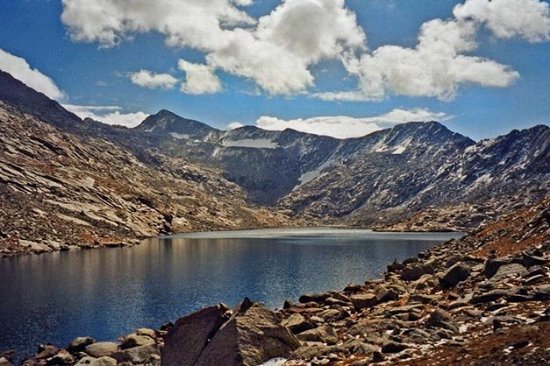
The lake holds deep religious significance for the people of Chamba and is believed to be protected by spiritual forces. Surrounded by stark mountain landscapes and expansive alpine terrain, Lama Dal offers a powerful combination of spiritual serenity and raw Himalayan beauty. Due to its remote location, the lake remains largely untouched and is visited mainly by experienced trekkers.
How to Reach Lama Dal:
- Nearest bus stand: Chamba Bus Stand
- Nearest railway station: Pathankot Railway Station (approx. 190 km)
- Nearest airport: Pathankot Airport (approx. 190 km)
From Chamba, travelers must reach the trek base by road, followed by a multi-day trek through high-altitude terrain to reach Lama Dal. Hiring local guides is strongly advised.
Best Time to Visit Lama Dal:
The best time to visit Lama Dal is from July to September, when snow has melted and trekking routes become accessible. The lake remains frozen and inaccessible for the rest of the year.
Travel Tips:
- Suitable only for experienced trekkers
- Carry adequate food, water, and emergency supplies
- Weather can change rapidly; plan carefully
- Respect local beliefs and avoid disturbing sacred areas
Chander Naun Lake (4,260 m)
Chander Naun is a remote high-altitude glacial lake located in the Lahaul region of Himachal Pradesh at an elevation of approximately 4,260 meters. Nestled deep within the rugged Himalayan terrain, Chander Naun Lake remains one of the lesser-known alpine lakes, visited mainly by seasoned trekkers and adventure seekers.
The lake is surrounded by barren mountains and vast open landscapes, reflecting the stark beauty of the trans-Himalayan region. Due to its isolation and limited accessibility, Chander Naun offers complete tranquility and an unspoiled natural environment, making it ideal for those seeking solitude away from conventional trekking routes.
How to Reach Chander Naun Lake:
- Nearest bus stand: Keylong Bus Stand (approx. 60–70 km to trek base)
- Nearest railway station: Joginder Nagar Railway Station (approx. 320 km)
- Nearest airport: Bhuntar Airport, Kullu (approx. 210 km)
From Keylong, travelers proceed by road to the nearest trailhead, followed by a challenging high-altitude trek to reach Chander Naun Lake. Proper navigation and local guidance are strongly recommended.
Best Time to Visit Chander Naun Lake:
The best time to visit Chander Naun Lake is from July to September, when snow levels are lower and trekking routes are accessible. Outside this short window, the region remains snowbound and unsafe.
Travel Tips:
- Suitable only for experienced high-altitude trekkers
- Acclimatization is essential before attempting the trek
- Carry adequate warm clothing and emergency supplies
- Avoid solo trekking due to remoteness
Kareri Lake (2,934 m)
Kareri Lake is a stunning high-altitude freshwater lake located in the Kangra district of Himachal Pradesh, at an elevation of approximately 2,934 meters. Nestled in the Dhauladhar range, the lake is fed by melting snow and streams, giving it exceptionally clear waters. Kareri Lake is one of the most popular trekking lakes in the region due to its moderate difficulty level and scenic trail.
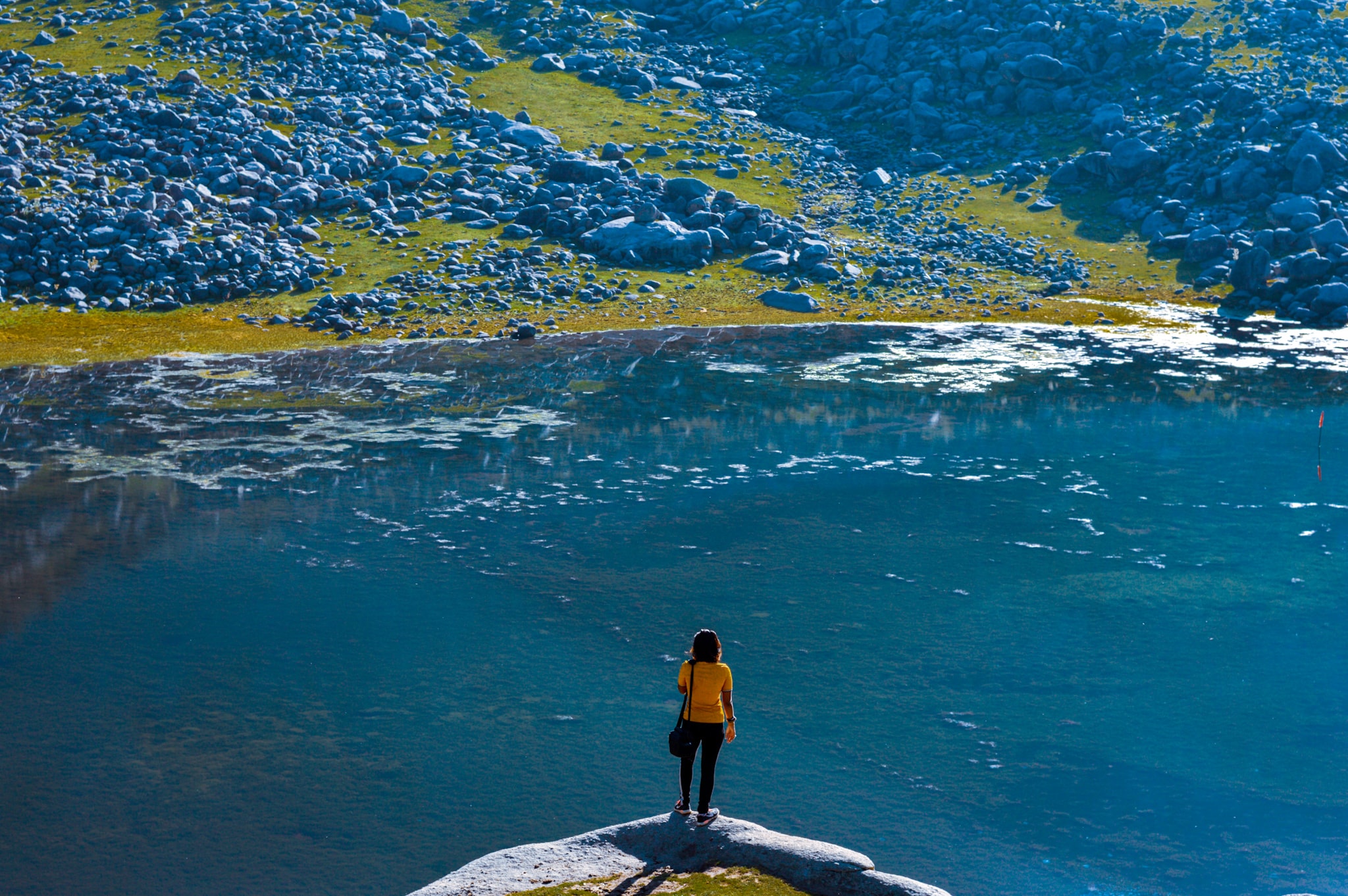
The trek to Kareri Lake passes through dense forests, alpine meadows, and traditional villages, offering a rewarding mix of nature and local culture. Compared to extreme high-altitude lakes, Kareri is ideal for first-time trekkers and travelers seeking adventure without very harsh conditions.
How to Reach Kareri Lake:
- Nearest bus stand: Dharamshala Bus Stand (approx. 27 km to Kareri village)
- Nearest railway station: Pathankot Railway Station (approx. 90 km)
- Nearest airport: Kangra Airport, Gaggal (approx. 25 km)
From Dharamshala, travelers can reach Kareri village by road, which serves as the base for the trek to Kareri Lake.
Best Time to Visit:
The best time to visit Kareri Lake is from May to July and September to October. During these months, trekking conditions are favorable and the weather remains relatively stable. In winter, the lake freezes and access becomes difficult due to snow.
Travel Tips:
- Start the trek early to avoid afternoon weather changes
- Carry adequate water and snacks
- Avoid camping too close to the lake to protect the ecosystem
- Follow eco-friendly trekking practices
Nag Dal Lake (4,150 m)
Nag Dal is a sacred high-altitude alpine lake located in the Chamba district of Himachal Pradesh at an elevation of approximately 4,150 meters. The lake is traditionally associated with local deities and serpent (Naag) worship, which is reflected in its name. Due to its religious importance, the lake is revered by shepherd communities and locals inhabiting the high Himalayan pastures.
Nag Dal is usually visited as part of extended high-altitude trekking routes in the Chamba region. Its remote setting, surrounded by stark mountain landscapes and alpine terrain, makes it one of the most untouched lakes in Himachal Pradesh.
How to Reach Nag Dal Lake:
- Nearest bus stand: Chamba Bus Stand
- Nearest railway station: Pathankot Railway Station (approx. 180–190 km)
- Nearest airport: Pathankot Airport (approx. 180–190 km)
From Chamba, travelers must reach the nearest road-accessible village, followed by a long and strenuous trek through high-altitude terrain. Hiring an experienced local guide is strongly recommended due to limited trail markings.
Best Time to Visit Nag Dal Lake
The best time to visit Nag Dal Lake is from July to September, when snow levels are lower and trekking routes are accessible. For the rest of the year, the lake remains frozen and inaccessible.
Travel Tips:
- Suitable only for experienced high-altitude trekkers
- Proper acclimatization is essential
- Carry sufficient food, water, and emergency gear
- Respect local beliefs and avoid polluting the lake
Kamrunag Lake (3,334 m)
Kamrunag Lake is a sacred high-altitude lake located in the Mandi district of Himachal Pradesh at an elevation of approximately 3,334 meters. Deeply revered by locals, the lake is associated with Dev Kamru Nag, the rain god of the region. According to local belief, devotees offer brass and bronze items into the lake to seek blessings for rainfall and prosperity.
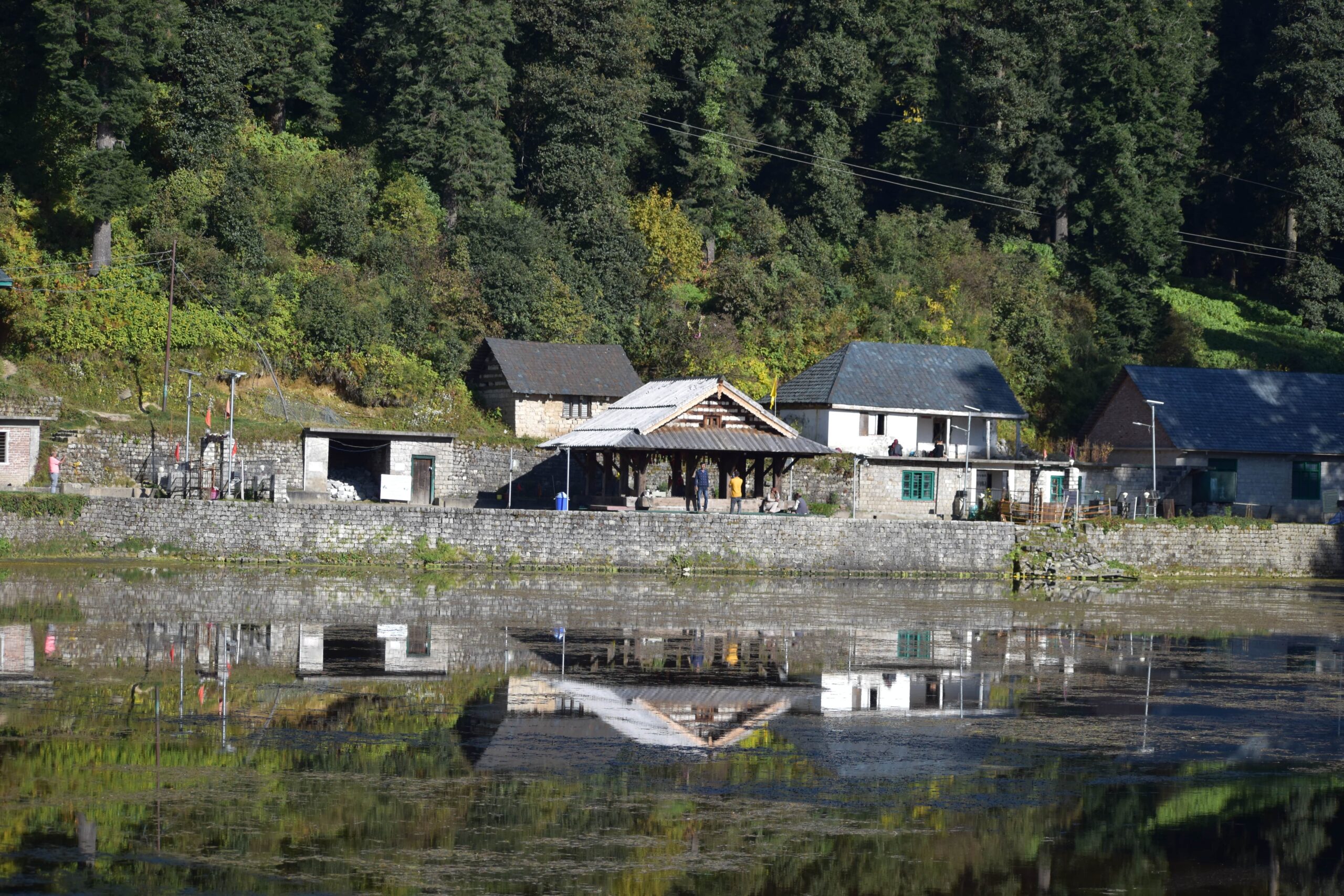
Surrounded by dense forests and alpine landscapes, Kamrunag Lake is known for its spiritual aura and pristine natural setting. Unlike extremely remote alpine lakes, Kamrunag strikes a balance between religious significance and trekking adventure, making it popular among pilgrims, trekkers, and nature lovers alike.
How to Reach Kamrunag Lake
- Nearest bus stand: Mandi Bus Stand (approx. 65 km to trek base)
- Nearest railway station: Joginder Nagar Railway Station (approx. 95 km)
- Nearest airport: Bhuntar Airport, Kullu (approx. 90 km)
From Mandi, travelers can reach Rohanda village or nearby roadheads by taxi. From there, a moderate trek through dense forests leads to Kamrunag Lake.
Best Time to Visit Kamrunag Lake
The best time to visit Kamrunag Lake is from May to October. During these months, weather conditions are favorable and trekking routes remain accessible. Winters bring heavy snowfall, making the trail unsafe.
Travel Tips:
- Maintain silence and respect religious customs near the lake
- Do not remove or disturb offerings made by devotees
- Carry sufficient water and snacks, as facilities are limited
- Avoid plastic and help preserve the sacred environment
Serolsar Lake
Serolsar Lake is a pristine high-altitude alpine lake located near Jalori Pass in the Kullu district of Himachal Pradesh, at an elevation of approximately 3,100 meters. The lake is surrounded by dense oak forests and is known for its exceptionally clean water and tranquil atmosphere. Serolsar Lake holds religious significance and is associated with Budhi Nagin, the presiding deity worshipped by locals.
View this post on Instagram
What sets Serolsar Lake apart is the belief that birds help keep the lake clean by picking up fallen leaves, adding to its mystical charm. The lake is a popular destination for both trekkers and pilgrims due to its moderate trek and scenic surroundings.
How to Reach Serolsar Lake
- Nearest bus stand: Banjar Bus Stand (approx. 30 km)
- Nearest railway station: Joginder Nagar Railway Station (approx. 160 km)
- Nearest airport: Bhuntar Airport, Kullu (approx. 70 km)
From Banjar or Shoja, travelers can reach Jalori Pass by road, followed by a moderate trek of about 5 km through forest trails to Serolsar Lake.
Best Time to Visit Serolsar Lake
The best time to visit Serolsar Lake is from April to June and September to October. During winter, the region receives heavy snowfall, and access becomes difficult.
Travel Tips:
- Maintain silence and respect local religious beliefs
- Do not attempt to swim in the lake
- Carry water and light snacks for the trek
- Avoid littering to preserve the lake’s purity
Essential Travel Tips for Visiting Lakes in Himachal Pradesh
Visiting the lakes of Himachal Pradesh requires thoughtful planning, especially because many of them lie in remote and high-altitude regions. Whether you are visiting an easily accessible reservoir or trekking to a sacred alpine lake, these essential travel tips will help ensure a safe, comfortable, and responsible journey.
1. Understand Altitude and Acclimatization
- High-altitude lakes (above 3,000 m) can cause altitude sickness
- Ascend gradually and allow your body time to adjust
- Stay hydrated and avoid alcohol at high elevations
2. Check Weather and Road Conditions
- Weather in the Himalayas can change suddenly
- Landslides are common during monsoon months
- Always check local weather forecasts and road status before departure
3. Pack Smart and Travel Light
- Carry layered clothing, even in summer
- Essential items include rain gear, sunscreen, sunglasses, and sturdy shoes
- For treks, pack first-aid supplies and energy snacks
4. Respect Local Beliefs and Traditions
- Many lakes are sacred and associated with temples or deities
- Avoid swimming or washing in religious lakes
- Follow local customs and dress modestly near pilgrimage sites
5. Don’t Litter – Protect These Fragile Ecosystems
- Never throw plastic, food waste, or wrappers near lakes
- Carry a waste bag and bring all non-biodegradable trash back with you
- Littering pollutes water sources and harms wildlife
- Leave the lake exactly as you found it for future generations
6. Practice Responsible and Eco-Friendly Travel
- Avoid camping too close to lake shores
- Do not disturb wildlife or damage natural vegetation
- Use reusable bottles and eco-friendly products
7. Safety First for Trekkers
- Hire local guides for remote or lesser-known lakes
- Inform someone about your trekking plans
- Avoid solo trekking in high-altitude or unfamiliar regions
8. Best Time Planning Matters
- Most high-altitude lakes are accessible only between May and September
- Winter visits require advanced preparation and experience
- Always align your visit with the best time mentioned for each lake
Conclusion
The lakes of Himachal Pradesh reflect the true essence of the Himalayas—serene, powerful, and deeply rooted in nature and tradition. From vast reservoirs like Gobind Sagar and Pong Dam to sacred high-altitude lakes such as Manimahesh, Chandra Tal, and Kamrunag, each lake offers a unique experience shaped by altitude, landscape, and cultural significance.
While some lakes can be reached with ease by road, others demand patience, physical endurance, and respect for the fragile mountain environment. Understanding how to reach each lake and choosing the best time to visit is key to a safe and fulfilling journey. Equally important is responsible travel—respecting local beliefs, avoiding littering, and leaving these pristine water bodies untouched for future generations.
Whether you are a casual traveler, a pilgrim, a trekking enthusiast, or a nature lover, exploring the lakes of Himachal Pradesh offers moments of reflection, adventure, and connection with the Himalayas. Plan wisely, travel responsibly, and let these tranquil waters leave a lasting impression on your journey.
Important note: Don’t litter. Always use a dustbin to dispose of your garbage, and if no dustbin is available, carry your trash with you until you find one or return home to dispose of it properly. Responsible waste disposal helps keep cities, parks, lakes, and natural areas clean, prevents pollution and disease, and protects wildlife from harm. By being mindful of where you throw your waste, you contribute to a healthier environment and help preserve the natural beauty of places like Himachal Pradesh for future generations.